
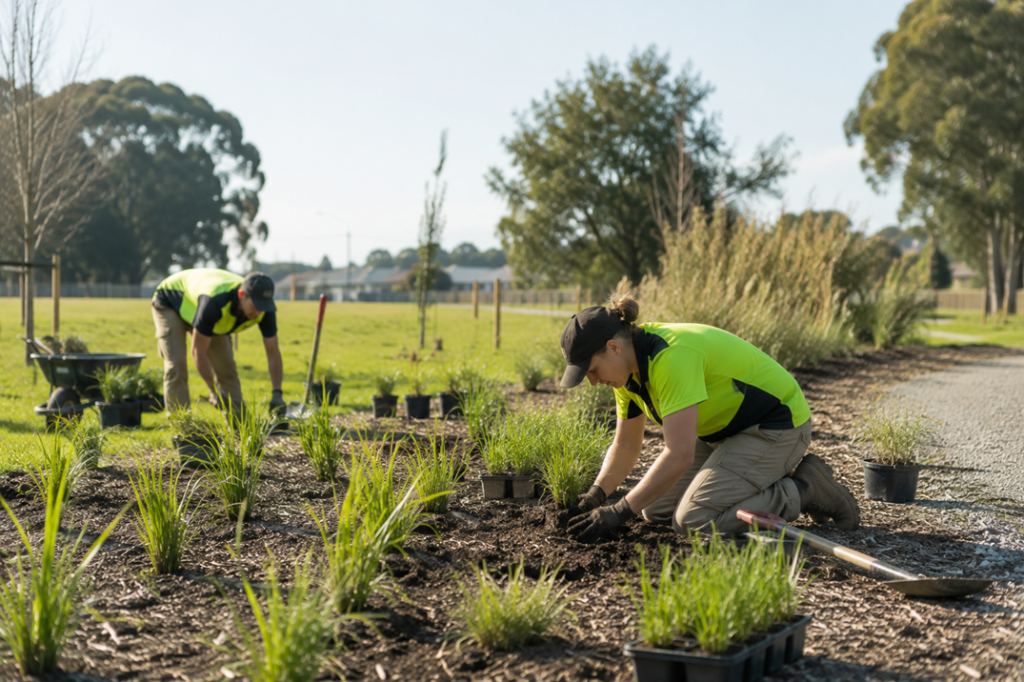
Successful native planting in Canterbury starts with choosing plants that suit the site, preparing the ground properly and planning for ongoing care.
Native planting can transform even the smallest of areas, creating an attractive landscape feature and providing habitat for native wildlife. It can play an important part in landscaping projects, from school grounds and commercial properties to public spaces and larger restoration areas.
Getting the plants in the ground can feel like a big achievement – and it is. But successful native planting starts with understanding the site and continues with the care plants receive afterwards. In Canterbury, that means planning for conditions such as frost and exposure, as well as making sure young plants receive the attention they need to establish.
Native plants generally become relatively low maintenance once established, but young plants often need extra support while their root systems develop.
Here are some of the most common reasons that native plantings struggle, and what you can do to give them a better start.
1. The plants don’t suit the site
“Native” doesn’t automatically mean a plant will thrive anywhere in New Zealand. Different species suit different positions, and your planting plan needs to reflect the conditions of your site.
In Canterbury, frost tolerance is an important consideration. Other conditions to consider include shelter, sunlight, soil conditions and exposure. A species that grows well in a sheltered garden may struggle on an exposed site.
Start by identifying the conditions, then choose your plants. Consider their mature size and whether more sensitive species will need shelter from an initial planting of hardier trees and shrubs.
2. Weeds outcompete the plants
Grass and weeds compete with young plants for moisture, nutrients and light. Clearing the site before planting helps, but follow-up weed control is just as important.
A planting area that looks tidy on completion can quickly become overgrown as surrounding vegetation regrows – particularly in the springtime flush. Young plants need to be kept clear of competing growth while they establish. Installing weed mats and plant guards during planting can help to provide early protection for young plants.
3. The watering plan doesn’t match the conditions
Choosing species suited to a dry site can reduce future watering needs, but it doesn’t remove the need to check the soil moisture while those plants establish.
Regularly check the soil, and water thoroughly when needed. Grouping plants with similar moisture needs can make watering more efficient.
For property managers, it can help to agree at the start who will be responsible for monitoring moisture levels, who will undertake the watering and how additional watering will be arranged during dry periods.
4. The site preparation or planting technique lets them down
Healthy plants need suitable ground conditions and careful planting. Compacted soil, poor drainage and incorrect planting depth can undermine an otherwise well-planned project.
Before planting begins, assess the soil conditions: address compaction where appropriate and check drainage. Plants should generally sit at the same soil depth as they did in their nursery containers, with soil gently firmed around their roots.
If plants repeatedly fail in one area, investigate the conditions before simply replacing them.
5. Damage goes unnoticed
As well as weeds and dry conditions, animal browsing, wind and accidental damage during maintenance can also affect plant survival. Undertake routine site visits to check for browsing, damage or plants that need attention. Where losses occur, work out the likely cause before replanting.
6. The budget doesn’t cover the whole cost
A planting budget should cover aftercare, as well as plant supply and installation.
Before work starts, agree:
- Who is responsible for weed control and watering
- How often the planting will be checked
- Whether plant protection (such as mats and guards, or mulch) is included
- How failed plants will be assessed and replaced
- When the maintenance arrangements will be reviewed.
Need help with native planting or maintenance?
NatureBase provides planting, landscaping and ongoing maintenance for commercial properties, schools and open spaces across Christchurch and Canterbury.
We can help with site preparation, planting and establishment maintenance, including weed control and follow-up care.
Find out more about our planting and landscaping services, or get in touch to discuss your site.