
Open space projects can often look more straightforward than they actually are. Simple projects such as path construction playground upgrades or a planting programme often don’t ring any alarm bells when it comes to considering environmental risks and management. That is – until something on the site turns out to have a compliance or risk trigger than no one picked up at the planning stage.
This happens more often that it should. And it’s not because the project manager missed something obvious, but because environmental triggers in open space environments aren’t always visible, and the contractor doing the work wasn’t equipped to identify them.
Wetlands
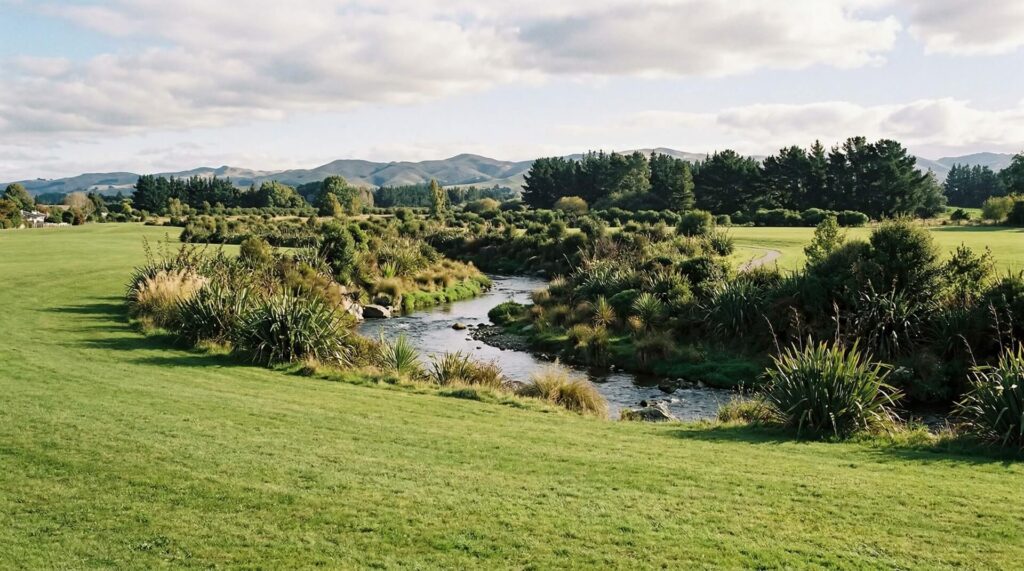
Wetlands are a classic example of an area when contractors can quickly find themselves tripped up by rules they didn’t even know existed. New Zealand’s wetland definition under the RMA captures more areas than most people expect. And importantly – an area doesn’t might not look like a typical wetland to meet it. The definition can encompass seasonally wet ground, low-lying zones with characteristic vegetation and marginal areas alongside waterways. Wetlands also sit under a stack of overlapping rules. In addition to the RMA definition, there is a separate definition of a natural inland wetland in the NPS-FM, rules relating to natural inland wetlands in the NES-FW and whatever the relevant regional plan might add in on top. This can add up to significant compliance exposure, and environmental risk, if the work proceeds without proper assessment.
Waterways
Compliance around works near waterways are generally better understood, but the detail can still catch people out. Setback distances, earthworks restrictions, and vegetation clearance rules vary depending on the waterway, the activity, and the applicable district or regional plan provisions. This means that an activity that is permitted in one location may require consent in another. When contractors are working across a range of sites, understanding this variation is crucial.
Zoning Overlays
District plans can include a raft of overlays on a single land parcel – SNAs, ONFs, ONLs, natural character, historic heritage – the list goes on. Knowing the acronyms is only half the story; knowing what each one means for a specific type of work takes experience. Overlays aren’t always front of mind when a maintenance or minor works programme is being planned, and most of the time they won’t apply. But knowing which environments are likely to carry them, and how to interpret the relevant requirements when they do, is a useful skill for a contractor to have.
Earthworks Thresholds and ESC requirements
One of the more obvious ones: larger open spaces projects, such as track development, sportsfield construction, significant landscaping or drainage works, can trigger earthworks consent thresholds under district plan rules. Above those thresholds, an Erosion and Sediment Control (ESC) plan is usually required before work begins, along with monitoring during the construction phase. Below those thresholds, the obligation to manage sediment runoff still applies. Sites near drainage channels, streams, or areas with meaningful runoff potential need to be well managed to protect freshwater, irrespective of any specific rule triggers.
How We Operate
NatureBase has a Certified Environmental Practitioner (CEnvP) on the team. Environmental assessment is a core part of how we work – identifying triggers, advising on what needs to be managed and how, and documenting what’s been done.
We undertake assessment of vegetation selection, timing of works near sensitive areas, how maintenance activities interact with waterway setbacks, and what the inspection and monitoring record needs to show. Important, this work sits right alongside our grounds maintenance, sports turf, planting, and project management work, not as a separate service that gets picked up when something goes wrong. If you’re managing open space with environmental features, working within overlays or near waterways, or planning works that might trigger consent requirements, we’re happy to talk through what’s involved. See our Environmental Advisory Services for more information.