
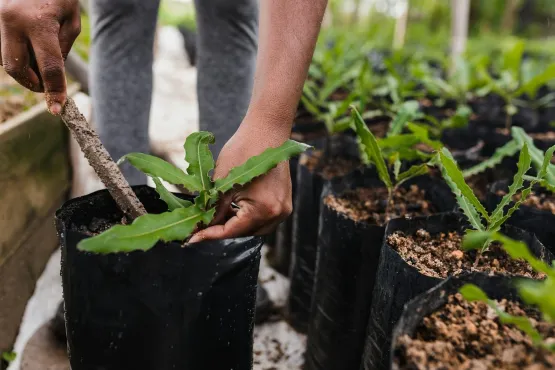
Something I wasn’t expecting to be doing in late May is restarting watering on newly established plantings in Christchurch. And yet, here we are. Usually, by this time year in Canterbury, newly established planting is heading into a quieter period. With cooler temperatures and more regular rainfall, the season does most of the work for us. But this year has looked quite different. The autumn dry has stretched well past what we’d usually expect. For established planting and mature turf, a dry spell like this can be manageable. But for young trees and plants that went in earlier in the season, it’s a different story. They’re trying to build root systems before winter with less moisture than they’d usually have, and this stress that they carry into winter won’t just disappear when the rain eventually shows up.
Why Autumn Establishment Matters
Autumn is normally one of the better establishment windows for new plantings. Soil temperatures are still mild, there’s no summer heat to fight, and plants have time to settle before spring growth kicks in. That combination gives root systems a chance to develop before the plant has to do much else. It also means autumn planting programmes typically need less intensive aftercare than spring or summer plantings. Lower evapotranspiration, more reliable rainfall and shorter days generally create conditions that work in our favour. That’s why a lot of councils and developers schedule significant planting works for this time of year. However, that combination doesn’t really work if the rain doesn’t show up. And this year, it hasn’t.
What We’re Actually Watching For On Our Sites
In practical terms, the autumn dry means we are watering later into the season than usual. We’re also paying closer attention to mulching and soil moisture and checking in on young trees more than we’d expect at this time of year. It’s nothing really dramatic – it’s just more work that the season usually needs.
When we do establishment checks in dry conditions like this, we’re looking at a few things, including soil moisture at root depth, and leaf condition or other early stress signs. Mulch coverage can make a big difference to moisture retention too, and it’s worth topping it up if it’s broken down or been disturbed.
Some plant types are more vulnerable to stress than others. Recently planted natives, particularly smaller grades, can succumb to dry conditions quickly in exposed or free draining sites. Street trees in hard surfaces have almost no buffer at all – if there is no watering programme they are relying only on whatever moisture is sitting in a relatively small soil volume. Revegetation plantings on slopes or in engineered soils are similarly exposed.
What This Means For Maintenance Plantings
This dry autumn weather is a good reminder that getting plants in the ground is only part of the job. Establishment and aftercare are what actually determine whether a planting job holds. The seasonal assumptions that usually guide maintenance schedules, such as temperature and rainfall, aren’t always well aligned with what’s actually happening on site.
For councils, developers, schools, and other open space managers, that’s worth keeping in mind when planning maintenance programmes. Here are a few questions worth asking:
- Does your maintenance contract include provision for extended establishment watering beyond the standard season?
- What triggers a return visit for establishment checks – is it calendar-based or condition-based?
- Is mulching included as an ongoing task or a one-off at planting
- What’s the plant replacement liability if establishment fails due to dry conditions?
These are the kind of details that will determine whether a planting project looks good in three years or needs significant remediation work.
Adapting To What’s Actually Happening
Flexibility around watering, establishment periods, and aftercare is what separates projects that succeed from ones that struggle. At NatureBase, adapting to actual site conditions rather than calendar assumptions is just how we work. Sometimes that means watering plants in late May. This year, it did.
If you’re planning a planting programme or want to talk through what proper establishment aftercare looks like for your site, you can find out more about our planting services here